
 admin
adminModern applications rely heavily on open-source packages, frameworks, and third-party libraries to speed up development and reduce coding effort. While these components improve efficiency, they can also introduce hidden vulnerabilities and licensing concerns into software projects. This is where software composition analysis becomes essential for organizations aiming to secure their applications and maintain compliance. By identifying external dependencies and evaluating associated risks, SCA tools help development teams strengthen security throughout the software development lifecycle.
Understanding the Role of software composition analysis
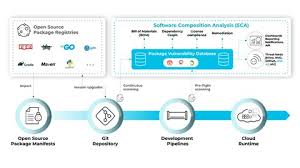
At its core, software composition analysis is a process that examines all third-party and open-source components used within an application. It creates a detailed inventory of dependencies, including nested libraries that developers may not even realize are present. Security teams then compare these components against known vulnerability databases to detect outdated or risky packages. This approach gives organizations better visibility into their software supply chain and reduces the possibility of introducing insecure dependencies into production systems.
How SCA Improves Application Security
Cyberattacks targeting software supply chains have increased significantly in recent years. Threat actors often exploit vulnerabilities in commonly used open-source libraries because they can impact thousands of applications simultaneously. SCA solutions help organizations discover these weaknesses early in development before attackers can take advantage of them. Instead of waiting until deployment, teams receive alerts during coding and testing stages, making remediation faster and more cost-effective for long-term security management.
Difference Between SCA and Secure Code Review
Many businesses confuse SCA with traditional code review practices, but the two processes focus on different security areas. Secure code reviews analyze custom application logic written by developers to identify coding flaws and insecure implementation patterns. In contrast, software composition analysis focuses on third-party dependencies that originate outside the organization. This distinction is important because even perfectly written code can become vulnerable if it relies on compromised or outdated open-source components embedded within the application environment.
Benefits for Compliance and Risk Management
Regulatory compliance and cybersecurity frameworks increasingly require organizations to understand the software components running in their systems. SCA tools support these requirements by generating detailed software bills of materials and vulnerability reports. These insights help businesses maintain compliance with industry standards while improving risk management processes. Companies using services such as swarmnetics.com often prioritize dependency monitoring because it strengthens visibility into application ecosystems and supports proactive decision-making when addressing security and operational concerns.
Why Businesses Cannot Ignore Dependency Risks
Modern software projects may contain hundreds or even thousands of open-source libraries connected through complex dependency trees. Without proper monitoring, vulnerable components can remain unnoticed for months or years. Attackers frequently search for outdated packages with publicly disclosed flaws, knowing organizations may overlook indirect dependencies. Implementing software composition analysis enables businesses to continuously monitor these libraries, automate vulnerability detection, and reduce exposure to software supply chain attacks that could disrupt operations or compromise sensitive customer information.
Future Importance of SCA in Software Development
As organizations continue adopting cloud-native technologies, microservices, and DevOps practices, dependency management will become even more critical. Development teams are releasing software faster than ever, increasing the need for automated security tools integrated into CI/CD pipelines. SCA solutions provide continuous monitoring and real-time alerts that align with modern development practices. By integrating software composition analysis into daily workflows, organizations can improve software reliability, protect user data, and build stronger trust with customers in an increasingly security-focused digital landscape.


