
 admin
Micro PCB Be Recycled
A micro pcb is a circuit board used in electronic devices. It is composed of fiberglass reinforced epoxy composites and electronic components. The primary material in a PCB is copper. However, it also contains other materials such as glass fibers and epoxy resin. In the past, this material was disposed of as hazardous waste due to the high levels of toxic chemicals in it. Today, it is possible to recycle this material. However, this is not an easy task and requires significant effort.
To recycle a micro pcb, you must first separate the copper from the other materials. You can do this by treating the copper with a stripping solution. This process dissolves the metal and separates it from the resin. Once the copper is separated, you can use it for other purposes. However, you must be careful when handling this material because it can be hazardous if it comes in contact with skin or eyes.
This is the most common method of recycling a micro pcb, but it can be expensive and inefficient. This is because it requires a lot of heat and uses non-renewable resources. It also creates a large amount of waste water. Furthermore, the sludge left by this process is toxic and can cause cancer. This is why it is important to work with a manufacturing company that is knowledgeable about micro pcbs.
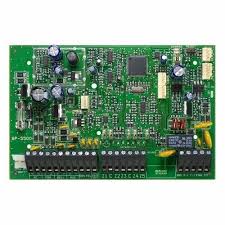
Can Micro PCB Be Recycled?
A better method of recycling a micro pcb involves thermal and chemical processes that remove the organic substrate and plastics. These methods can also separate the different metals, but they require high temperatures and release toxic fumes. This type of recycling is more expensive, but it is much more efficient and environmentally friendly than the traditional mechanical method.
The organic residues from waste PCBs can be reused for other products such as fibreglass and epoxy resin. But, this is difficult because the residues are not soluble in solvents. Therefore, it is important to find ways to make these residues soluble in aqueous solutions so that they can be recycled.
One way to do this is by introducing ester groups into the substrate polymer networks. This will allow them to bind together, and it can also repair damage to the composite surface. This bonding and repairing technique through dynamic reactions has a lot of potential for industrial applications. However, further research is needed to test this idea.

