 admin
Despite a robust independent film scene, spearheaded by a bunch of talented young filmmakers, it has taken 30 years (since Shaji N Karun’s ‘Swaham’ in 1994) for an Indian film to find a place in the competition section of the Cannes Film Festival. This has been so when our films have played and competed consistently at other festivals the world over. What took so long for Cannes to come around? What is it about Payal Kapadia’s debut feature ‘All We Imagine As Light’ that has helped break the dry spell? Does the fact that it is an Indian co-production with France (as well as The Netherlands and Luxembourg) bolster its chance beyond its own intrinsic artistic merit?
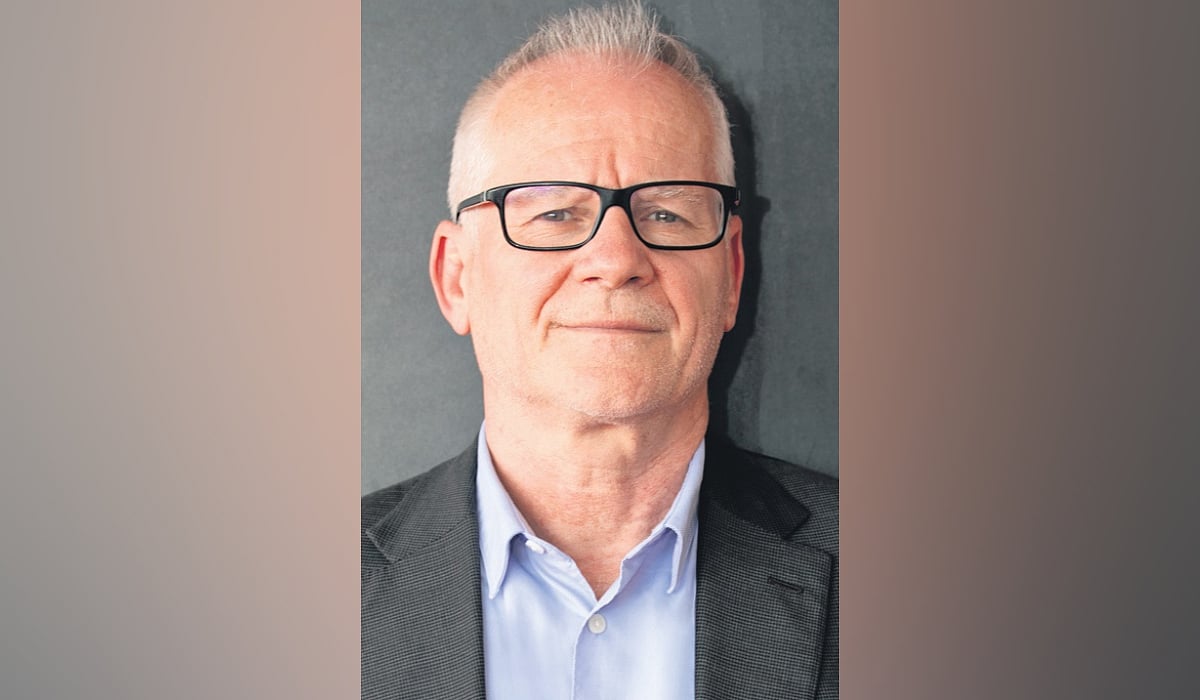
At the interaction with the international press, which sets the ball rolling for the festival the day before the formal opening, the General Delegate of Cannes, Thierry Fremaux, preferred not to throw much light on the Indian selection nor on the lack of it in previous years. “It’s not we who choose the films. It’s the films that get themselves selected,” he says. A line that he went on to repeat when asked about the strong presence of China and Brazil this year as opposed to the lack of Israeli films.
While waxing eloquent about the “beautiful, wonderful” Indian films and expressing happiness to see Indian cinema back at the French Riviera, he also wondered why so much is made about being in the 22 films in the competition section and not the 65 others in the official selection. Indian films have been well represented in Un Certain Regard, Cannes Classics, Midnight Screenings and in the Directors’ Fortnight and Critics Week sidebars, he says.
“Film festivals speak through films,” says Fremaux, while dwelling on Cannes’ support for Iranian filmmaker Mohammad Rasoulof’s ‘The Seed of the Sacred Fig’, in the light of the difficult conditions under which it was made and the consequent “acrobatic feat” of having been able to programme it well in time. “It’s about Iranian dictatorship creeping into the families,” he says.
Minutes after the press interaction, Cannes was abuzz with the news of Rasoulof managing to flee his country to an undisclosed destination in Europe after having been sentenced to eight years in prison and flogging last week. It is unclear if he will be able to make it for what will be a historic Cannes premiere—and the festival’s high point—towards the end of next week. When asked about how conflicts in Ukraine and Gaza impacted the programming, Fremaux says, “Films speak to us, reflect geopolitics and upheavals. That’s what artists do.”
