
 admin
reflow soldering contribute to Flexible printed circuit
Reflow soldering plays a pivotal role in the manufacturing process of flexible printed circuits (FPCs), contributing significantly to their reliability, performance, and versatility. As a key method for attaching components to the flexible substrate, reflow soldering enables the creation of intricate electronic designs in compact spaces while ensuring robust interconnections between components and conductive traces.
One of the primary ways reflow soldering contributes to FPCs is by facilitating the attachment of surface-mount components. These components, which include integrated circuits, resistors, capacitors, and other semiconductor devices, are soldered directly onto the surface of the flexible substrate using solder paste.
During the reflow soldering process, the flexible printed circuit assembly is subjected to controlled heating, causing the solder paste to melt and form strong metallurgical bonds between the component leads and the conductive pads on the substrate. This method allows for precise placement of components and high-density packaging, making it ideal for applications where space is limited, such as in smartphones, wearables, and medical devices.
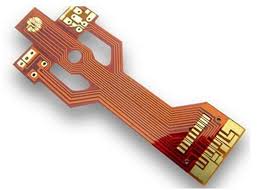
How does reflow soldering contribute to Flexible printed circuit?
Reflow soldering also contributes to the thermal management of FPCs by ensuring uniform heating and cooling of the assembly. Temperature control is critical during the reflow process to prevent thermal damage to the flexible substrate and components while achieving reliable solder joints. Advanced reflow soldering equipment offers precise temperature profiling capabilities, allowing manufacturers to tailor the heating and cooling rates to the specific requirements of the FPC assembly. This level of control helps minimize thermal stress on the flexible substrate and ensures the integrity of the solder joints, resulting in improved reliability and longevity of the circuit.
Furthermore, reflow soldering enables the use of advanced materials and components in FPC assemblies. Unlike through-hole soldering techniques, which may not be suitable for flexible substrates, reflow soldering allows for the attachment of a wide range of surface-mount components, including fine-pitch integrated circuits and miniature passive devices. This versatility in component selection enables designers to incorporate the latest technologies and functionalities into FPCs, enhancing their performance and functionality in diverse applications.
Another key advantage of reflow soldering in FPC manufacturing is its compatibility with automated assembly processes. With the increasing demand for high-volume production of electronic devices, automated soldering techniques offer greater efficiency, consistency, and cost-effectiveness compared to manual soldering methods. Reflow soldering systems can be integrated into automated assembly lines, allowing for rapid and repeatable production of FPC assemblies with minimal human intervention. This scalability makes reflow soldering an attractive choice for manufacturers seeking to meet the growing demand for flexible electronic solutions in various industries.
In conclusion, reflow soldering plays a crucial role in the fabrication of flexible printed circuits, enabling precise attachment of components, efficient thermal management, and compatibility with automated assembly processes. By leveraging the capabilities of reflow soldering, manufacturers can produce FPC assemblies with high reliability, performance, and versatility, meeting the evolving needs of electronic design in today’s fast-paced and technology-driven world.

