
 admin
admin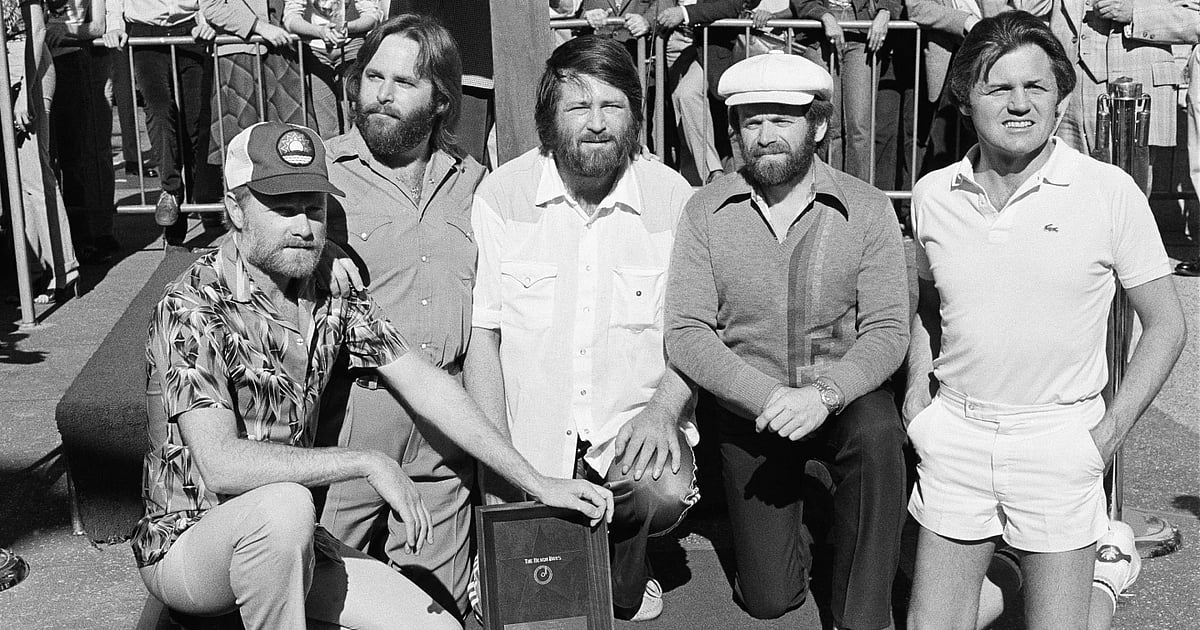
Stone’s skills came in creating a musical world that others only dreamed of at the time. The Family Stone was an integrated world — Black and white, men and women — and the music they created was a potent mixture of rock, soul and funk. It made you move, it made you think.
For a period of time from 1967 to 1973, their music was inescapable — “Dance to the Music,” “Everybody is a Star,” “Higher,” “Hot Fun in the Summertime,” “Sing a s Simple Song,” “Family Affair,” “Thank You (Falettinme Be Mice Elf Agin).” Their performance at Woodstock was a milestone.
“His songs weren’t just about fighting injustice, they were about transforming the self to transform the world,” musician and documentarian Questlove, who lovingly tended to Stone’s legacy, wrote this week. “He dared to be simple in the most complex ways — using childlike joy, wordless cries and nursery rhyme cadences to express adult truths. His work looked straight at the brightest and darkest parts of life and demanded we do the same.”
From his peak, the fall was hard. Years of drug abuse took its toll. Periodic comeback attempts deepened a sense of bewilderment and pity.
In a world where many musical icons died young, each endured
Music is littered with stories of sudden, untimely and early deaths. Yet until this week, both men lived on, somewhat improbably passing average life expectancies.
Wilson, by many measures, achieved some level of peace late in life. He had a happy marriage. He was able to see how his music was revered and appreciated and spent several years performing it again with a younger band that clearly worshiped him. It was a postscript not many knew, said journalist Jason Fine, who befriended Wilson and made the 2021 documentary, “Brian Wilson: Long Promised Road.”
“That sort of simple message he really wanted to give people through his music going back to the ‘60s — a sense of warmth, a sense that it’s going to be OK in the same way that music lifted him up from his darkness, he’d try to do for other people,” Fine told The Associated Press in an interview then. “I think now, more than earlier in his career, he accepts that he does that and that’s a great comfort to him.”
