
 admin
admin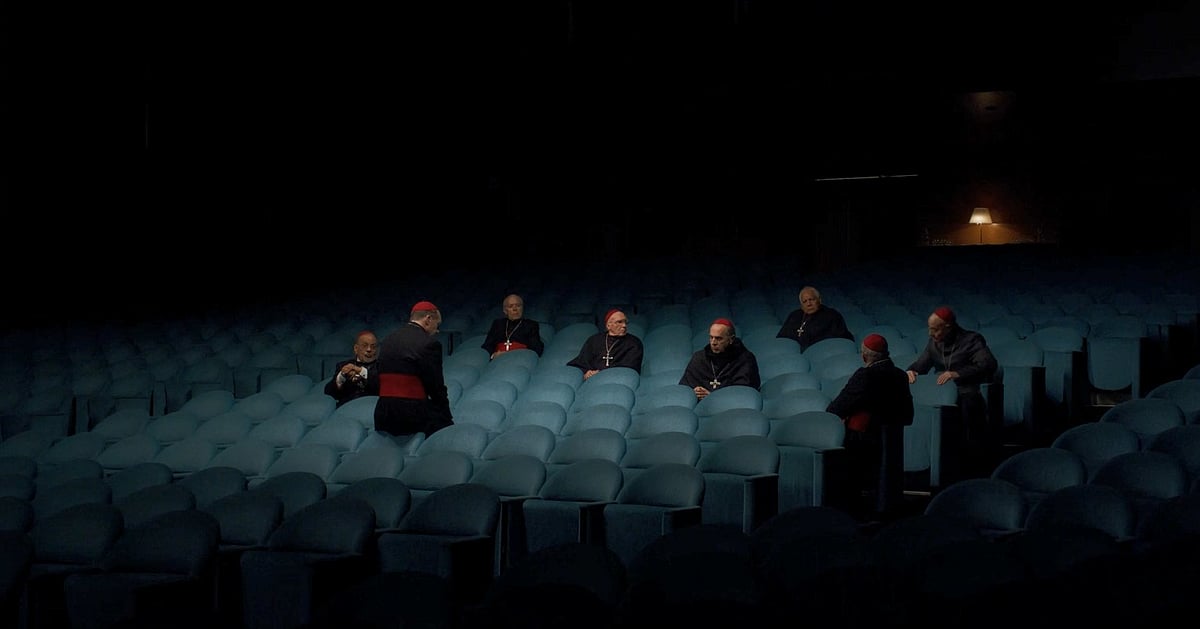
The Ghosts of 2013: Scandal, resignation, and a Church in crisis
The film’s fictional conclave unfolds amid scandals—financial corruption, abuse cover-ups—that mirror the real-life chaos of 2013. Benedict XVI’s resignation had left the Church’s reputation at a nadir. The Vatican Bank was embroiled in money-laundering allegations, abuse survivors demanded justice, and the bureaucracy moved at glacial speed. Catholics craved a pope who’d wield a broom, not a sceptre. Enter Bergoglio: the “slum cardinal” who had scrubbed floors in Buenos Aires’ shantytowns.
Conclave’s Benitez is cut from the same cassock. When asked to bless the meal, he blesses “All those who cannot share this meal.” He remembers, “The hungry, the thirsty, the sick, and the lonely,” echoing Francis’ sentiment, “the sisters who prepared this food for us.” Like Francis, his election is a rebuke to complacency and corruption.
The Art of the (Divine) deal
Both elections show the strategic alliances and moral compromises that lead to a ‘holy’ coalition-building. In 2013, Bergoglio’s allies—dubbed the “Gang of Eight”—included reformers like Honduras’ Oscar Rodríguez Maradiaga and Germany’s Reinhard Marx. They framed him as the anti-Benedict: pastoral, accessible, allergic to pomp and a bridge between tradition and modernity. Similarly, in one of the early scenes in the film, eight reformers meet inside a theatre, and later Benitez wins over moderates by personifying what the Church could be, not what it has been.
The film also nails the conclave’s quirks: the folded ballots, the oath of secrecy, and the fumata nera (black smoke) that signals failure. One scene shows burning votes with chemical additives to control smoke colour—a detail so niche that very few in the world know it.
Humility as Revolution
Another thing that unites Francis and the fictional Benitez is their quiet radicalism. Both reject the trappings of power: Francis ditched the papal apartments for a guest house, swapped red shoes for plain black, and told bishops to work amidst their flock so they can “smell like the sheep”. Both Francis and Benitez seem to believe that the church isn’t a museum; it’s a field hospital.
Yet their humility is political dynamite. Bergoglio’s 2005 conclave gesture—stepping aside to endorse Joseph Ratzinger (Benedict XVI)—burnished his reputation as a team player. By 2013, that selflessness became his trump card. It is as if the more a candidate wants power, the less likely he is to get it, which also comes true in the book and the film.
The ending we need: A Church for the Broken
As I write this, the next conclave looms. Will it mirror Conclave‘s hopeful ending? The film closes with Benitez, now Pope Innocent, being elected despite being chromosomally a woman. He’s a symbol of renewal—a man who’d rather hug a refugee than kiss a ring.
In 2013, Francis did just that. His first act as pope? Asking the people to pray for him, not to him. He washed the feet of prisoners, embraced the disfigured, and scolded clerics for acting like “peacocks.” His reign wasn’t perfect—critics cite slow progress on abuse reforms—but he shifted the Vatican’s gaze from its navel to the margins as he believed Jesus would.
The world today feels fractured by wars, inequality, and culture wars. Politics, once a tool for unity, seems only to exacerbate divisions. But could religion be the twist; what so often has been a wedge, might it just stitch us back together? Francis showed it’s possible. The next pope could decide to carry on that legacy.
As the cardinals gather, I’m reminded of Benitez’s fictional words: “The Church is what we do next.” Maybe that’s the lesson from both Conclave and Pope Francis: institutions don’t change by magic. They change when ordinary people—cardinals or filmmakers or you or me—dare to imagine something better.
So let the next conclave begin. Let the debates rage, the alliances shift, the smoke rise. And may the winner be someone who knows that true power isn’t in a throne, but in the dirt, the streets, and the quiet act of helping and healing.
After all, if a Jesuit from the slums can become pope, maybe miracles aren’t just for the history books. Maybe they’re what we do next.
